
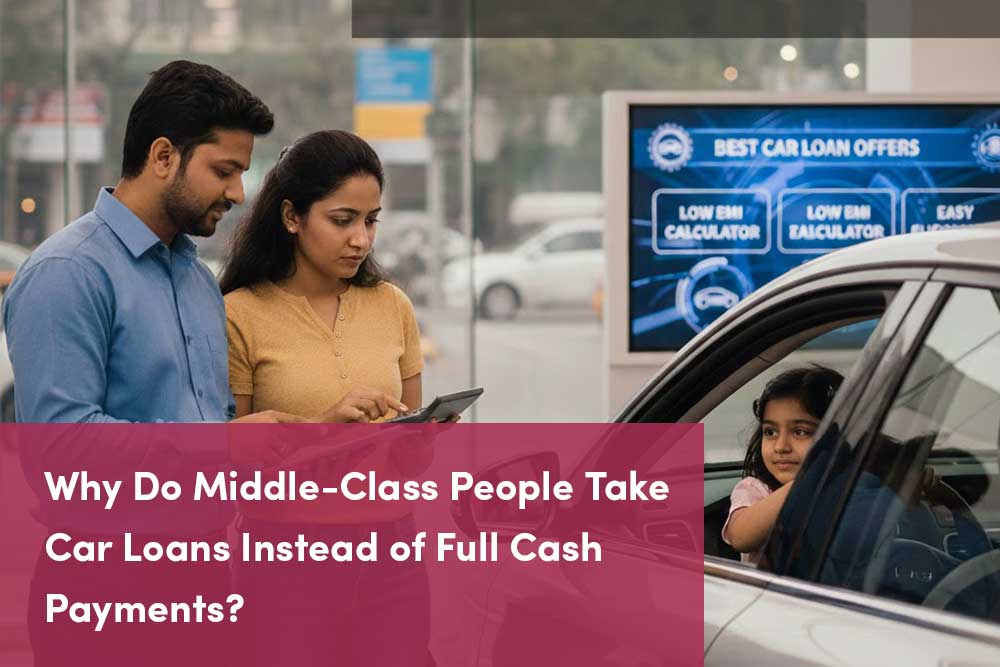
For many in India’s burgeoning middle class, owning a car is more than just a convenience; it’s a symbol of aspiration, freedom, and an essential tool for daily life, especially in bustling cities like Mumbai. While the ideal scenario might seem to be buying a car outright with a full cash payment, the reality for a significant portion of the middle class is different. Car loans have become the preferred, and often smarter, choice. But why exactly is this the case? Let’s delve into the compelling reasons.
Preserving Liquidity: Cash is King, Even When Buying a Car
One of the primary reasons middle-class individuals opt for a new car loan is to preserve their hard-earned savings. Imagine having ₹10 lakhs in your bank account. While you could technically pay for a mid-range sedan in full, doing so would deplete a significant chunk of your emergency fund or investment capital.
Emergency Fund: Life is unpredictable. Medical emergencies, sudden job loss, or unforeseen home repairs can strike at any time. Having readily available cash in savings provides a crucial safety net. Spending it all on a car leaves you vulnerable.
Investment Opportunities: For the financially savvy, that ₹10 lakhs might be earmarked for investments that could yield higher returns than the car loan interest rates. By taking a loan, you pay a manageable EMI and keep your capital working for you, potentially creating more wealth in the long run.
Other Financial Goals: Many middle-class families are simultaneously saving for a down payment on a house, their children’s education, or retirement. Sacrificing these long-term goals for a depreciating asset like a car by paying full cash is often not a wise financial decision.
Managing Budget Effectively with EMIs
The concept of Equated Monthly Installments (EMIs) has revolutionized how middle-class families manage large purchases. A car loan EMI calculator allows potential buyers to understand their monthly outflow precisely, making budgeting predictable and manageable.
Affordability: A car that costs ₹8-10 lakhs might be out of reach as a single lump sum. However, broken down into EMIs over 3-7 years, it becomes far more affordable. This allows families to drive a safer, more feature-rich vehicle that might otherwise be beyond their immediate budget.
Predictability: EMIs offer a fixed monthly expense, making it easier to plan other household budgets without sudden financial shocks.
Flexibility in Tenure: Car loan in India offers flexible repayment tenures, usually ranging from 1 to 7 years. This flexibility allows buyers to choose an EMI amount that comfortably fits their monthly income, without straining their finances.
Leveraging Favorable Car Loan Interest Rates and Offers
The competitive landscape among banks and financial institutions in India, particularly in major cities like Mumbai, often results in attractive car loan interest rates and best car loan offers.
Lower Rates: Compared to personal loans, car loan interest rates are generally lower because the car itself acts as collateral. This makes borrowing for a car more cost-effective.
Festival Offers: During festive seasons like Diwali, Navratri, or New Year, banks frequently roll out special schemes with reduced interest rates, waived processing fees, or extended tenures, making car loans even more appealing.
Aggressive Competition: With numerous players like HDFC Bank, SBI, ICICI Bank, and Axis Bank vying for customers, the middle-class buyer often benefits from competitive deals. This drives down costs and increases the attractiveness of financing.

Car Loan Eligibility: Easier Access to Funding
The car loan eligibility criteria have become more inclusive over the years, making it easier for a wider segment of the middle class to qualify. Banks typically look for:
Stable Income: Salaried individuals and self-employed professionals with a consistent income stream usually meet the criteria.
Good CIBIL Score: A healthy credit score (typically 750+) significantly improves chances of approval and helps secure better interest rates.
Age Criteria: Most banks require applicants to be between 21 and 65 years of age.
Even individuals with a modest but steady income can often secure a loan, enabling them to fulfill their dream of car ownership without needing a massive upfront payment.
The Opportunity Cost of Cash
Economically, every decision has an opportunity cost – what you give up by choosing one option over another. When you pay for a car with full cash:
- You lose the opportunity to invest that money elsewhere, perhaps in mutual funds, fixed deposits, or real estate, which could potentially grow your wealth.
- You might miss out on tax benefits associated with certain investments that you would have made with the cash.
- Taking a loan allows you to keep your cash working for you, potentially earning more than the interest paid on the loan, especially if you are disciplined with your investments.
The Psychological Comfort
There’s a significant psychological comfort in having a substantial amount of savings readily available. For the middle class, this financial buffer provides peace of mind against unexpected life events. Draining savings for a car, even a necessary one, can induce anxiety. EMIs, on the other hand, spread the cost over time, making the purchase feel less financially burdensome immediately.
Car Loan in Mumbai: A Case Study
In a city like Mumbai, where public transport is often overcrowded and personal mobility offers unparalleled convenience, a car is a necessity for many middle-class families. Given the high cost of living and real estate, accumulating a large sum of cash for a car purchase can be extremely challenging. This is where car loans become indispensable. They enable Mumbaikars to navigate the city’s vast distances, commute efficiently, and enjoy family outings without depleting their life savings. The abundance of banks and dealerships in Mumbai also ensures competitive car loan offers, further enticing buyers towards financing options.